Maryland Institute for Applied Environmental Health
Translating Environmental Health Research into Action
Welcome to the Maryland Institute for Applied Environmental Health (MIAEH). MIAEH was established by the University on July 1, 2006. It serves as the teaching, research and service / outreach function for environmental health in the proposed school of public health at UMCP.
Our Mission
The Maryland Institute for Applied Environmental Health (MIAEH) strives to advance knowledge concerning the effects of environmental factors on human health. Through innovative, multi-disciplinary research, we seek 1) to improve our understanding of how biological, chemical, physical and other influences in the environment contribute to chronic and acute human illnesses; and 2) to translate and apply research findings towards the development of effective environmental health policies. The education and training of environmental health professionals in areas ranging from environmental exposure assessment and epidemiology, to environmental health informatics and the risk sciences is integral to the Institute’s mission.
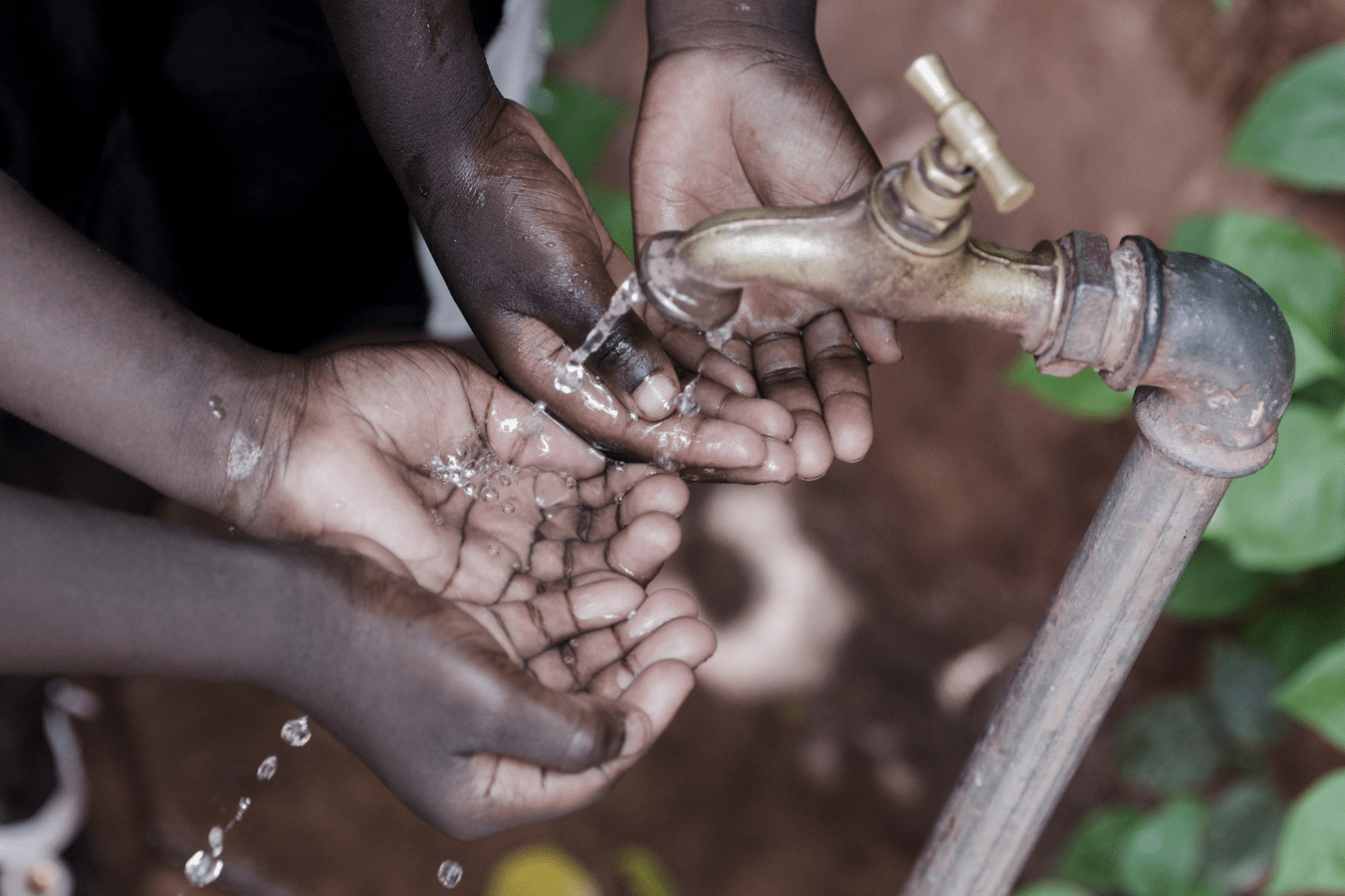
The World Health Organization estimates that nearly a quarter of the diseases affecting the world’s populations are attributable to environmental factors that can be decreased or eliminated such as water contamination or air pollution. Research at MIAEH aims to explore a broad range of environmental health problems and discover solutions that will effectively improve public health outcomes for the citizens of our state, the nation and the world.
What is Applied Environmental Health?
Environmental health research explores the impacts of our natural and man-made environment on human health. Yet, the environment is not limited to our air, water, soil and food. It also encompasses our sociocultural environment, economic environment, work environment and family environment. The phrase “applied environmental health” means translating the results of environmental health research into positive actions and public health interventions that are appropriate in the context of our total sociocultural and economic environment at local, national and global levels.
As a new institute in the School of Public Health, we offer students flexible and individualized programs of study that lead to the degree, Master of Public Health in Environmental Health Sciences. Our program is designed not only to satisfy the academic goals of our students but also to help them achieve their life and career goals.
Students will have access to the vast resources of the School of Public Health, the University and the region. The inaugural class of MIAEH consists of a diverse ensemble of individuals with backgrounds in the life sciences who seek to increase their knowledge and credentials. However, our institute is also open to individuals who do not have science backgrounds, but wish to enter this exciting field.
Exceptional Faculty Who are Making a Difference
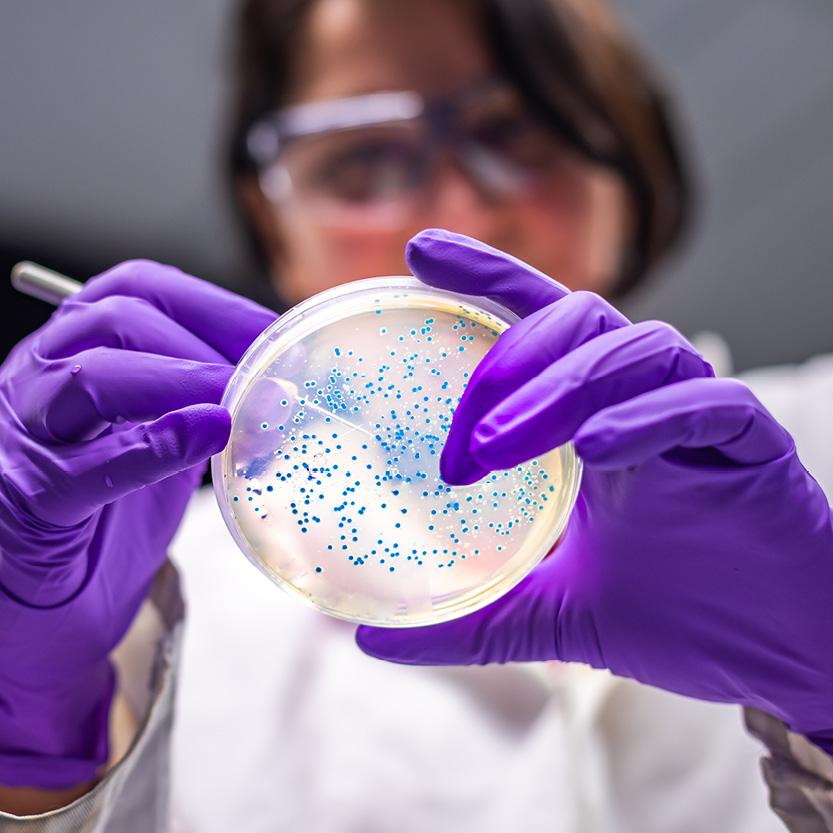
Our name—the Maryland Institute for Applied Environmental Health—exemplifies the individuality of our approach. We are grounded in good environmental health science that finds practical solutions to real environmental health problems—from viruses and antibiotic-resistant bacteria in food and water, to indoor air pollution from solid cooking fuels and its role in the development of asthma and cancer.
The faculty of the Institute is a highly trained cadre of environmental health researchers who represent a broad range of experience and knowledge in applied environmental health. Areas of specialty among our faculty include:
- Environmental health informatics—analyzing environmental monitoring data and human health outcomes data using web-based systems that identify linkages between environmental hazards and human disease.
- Environmental epidemiology—exploring associations between chemical and microbial contaminants in the environment and the development of chronic and infectious diseases
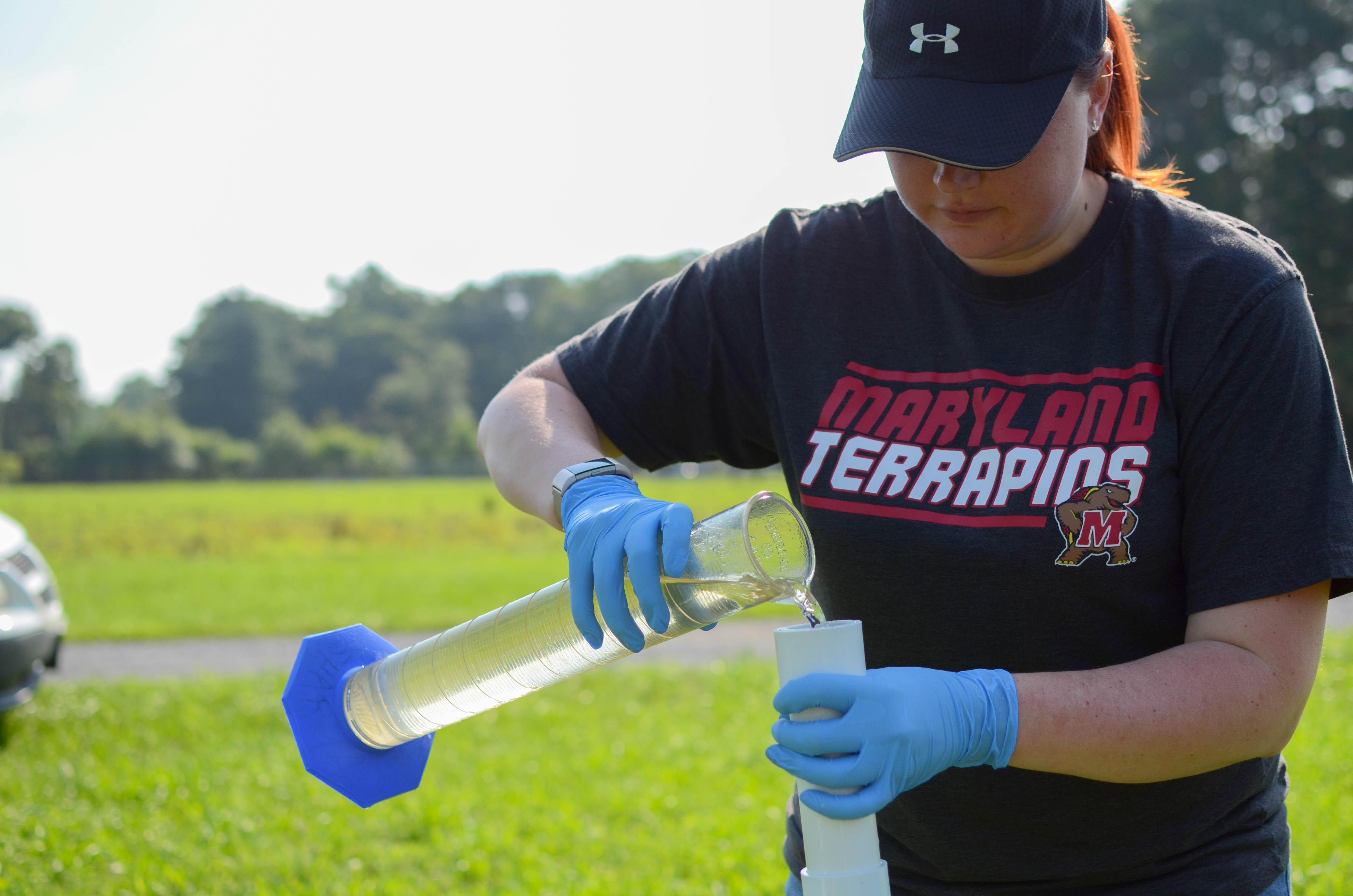
- Environmental exposure assessment—developing methods to measure chemical and microbial exposures that occur through a variety of exposure pathways such as ingestion, inhalation and dermal contact
- Human health risk assessment—identifying environmental hazards, and using exposure assessment and dose response data to characterize and manage risks
Creating Partnerships to Find Global Solutions.
The faculty members of the Maryland Institute for Applied Environmental Health collaborate with state, federal, international and private agencies to develop research solutions that address pressing environmental health problems. For example, the Institute is working with the Maryland Governor’s Commission on Environmental Justice and Sustainable Communities to identify which communities are most impacted by environmental, socioeconomic, or health disparities. Through this research, the Maryland Department of the Environment has identified several districts around the state that will be given special grants to address the environmental health concerns of those communities.
Beyond our neighborhoods, environmental health has a global impact. We also partner with international organizations in order to conduct environmental health research that results in successful, sustainable interventions that improve the health of communities worldwide. MIAEH faculty members collaborate with a variety of institutions including the following:
University of Maryland Affiliations
Center for Integrative Environmental Research
College of Behavioral and Social Sciences
College of Chemical and Life Sciences
Maryland Pathogen Research Institute
Government Agencies
Centers for Disease Control and Prevention
Maryland Department of Health and Mental Hygiene
Maryland Department of the Environment
Maryland Governor’s Commission on Environmental Justice and Sustainable
Communities
Maryland Governor’s Children’s Environmental Health Protection and Advisory Commission
U.S. Environmental Protection Agency
U.S. Food and Drug Administration
Non-government Organizations and Other Institutions
The Association of State and Territorial Health Officials
National Association of County & City Health Officials
National Environmental Health Association
Chesapeake Bay Foundation
International Agency for Research on Cancer (Lyon, France)
Laboratoire Ampère, Centre National de la Recherche Scientifique, Ecole Centrale de Lyon (Lyon, France)
Johns Hopkins Center for a Livable Future, Bloomberg School of Public Health
University of Washington
The University of Texas Health Science Center at Houston, School of Public Health
National Association of City and County Health Officials
Pan-American Health Organization
World Health Organization
For more information, contact:
Betty J. Dabney, Ph.D.
Acting Director
Maryland Institute for Applied Environmental Health
University of Maryland
Room 2310, School of Public Health
College Park, Md. 20742-2611
301.405.6583
The School of Public Health is part of the University of Maryland, College Park. We are located on 1,200 acres in the heart of the Baltimore-Washington, D.C. high-tech corridor. One of 32 public research universities in the prestigious 61-member Association of American Universities, Maryland enrolls 25,000 undergraduates and nearly 10,000 graduate students annually in more than 200 academic programs. For the full story, see www.umd.edu